
The Appeal of Country Living in South Africa
Reconnecting with Nature and Open Spaces
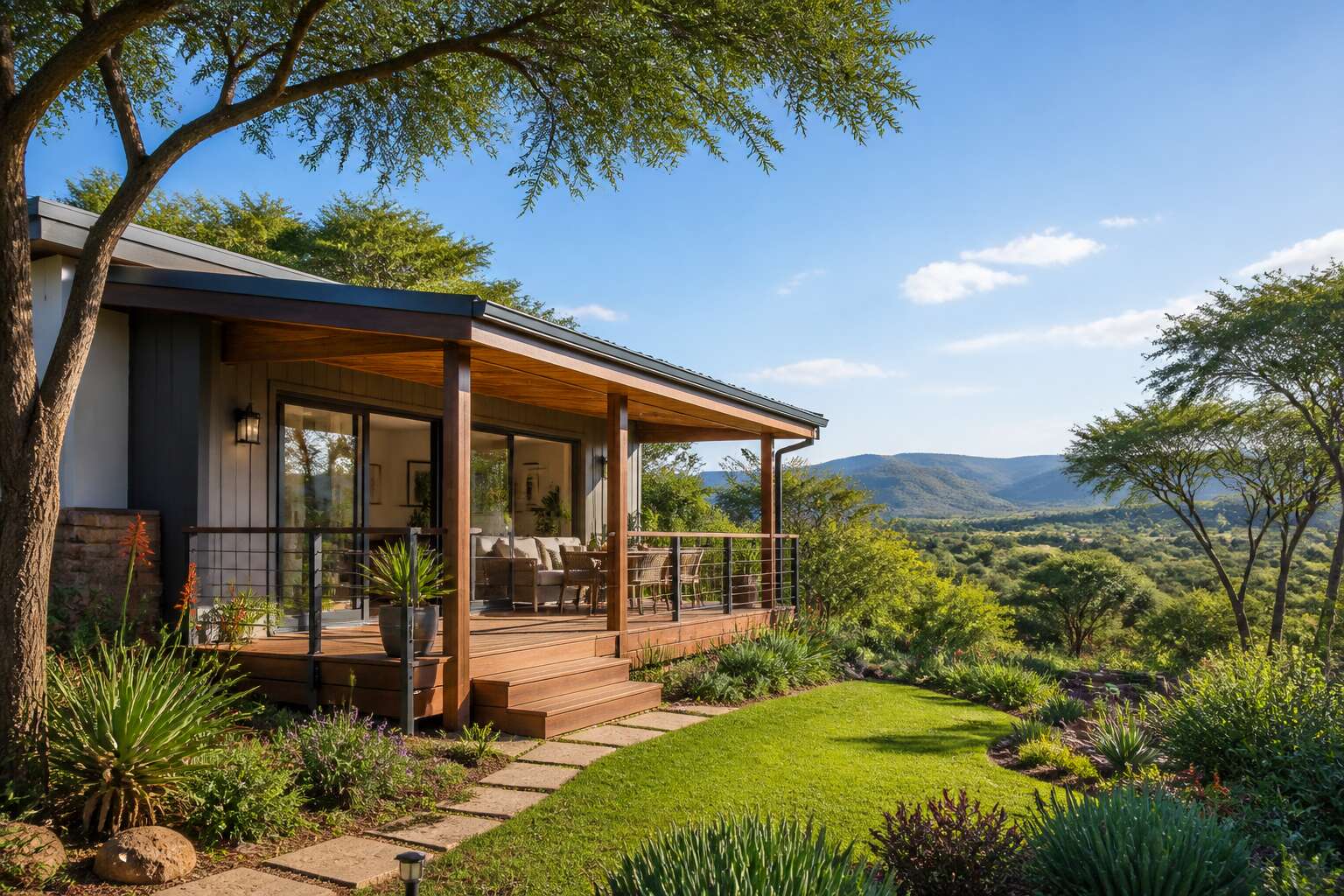
There is a particular quiet in the South African countryside that no urban park can replicate. It is the sound of wind moving through grass, the creak of a distant windmill, and the deliberate absence of engine noise. For many, the shift to country living park homes south africa is not an escape from responsibility, but a return to a simpler sensory environment. The open space allows for a different pace of thought, one that is harder to access between office blocks.
This connection to nature is tangible. Residents often remark on the clarity of the night sky or the distinct smell of rain on dry earth. The practical benefits are equally clear, from larger plots for gardening to immediate access to walking trails. A daily routine changes when your boundary fence ends at a veld instead of a neighbour’s wall.
- Reduced light pollution for better sleep cycles.
- Proximity to game reserves and bird sanctuaries.
- Opportunities for small-scale farming or horse keeping.
Living here means your weekends are measured by sunlight, not by traffic. The appeal lies in the authenticity of the landscape, offering a daily interaction with the environment that feels less mediated and more direct. It is a lifestyle choice that prioritises spatial freedom and ecological awareness.
Slower Pace and Community-Focused Lifestyle
The handshake still matters here. In a country park home, the daily rhythm favours presence over urgency. This is the essence of country living park homes south africa: a slower tempo where neighbours become part of your day.
Because families stay longer, they know which neighbour owns a trailer and which one bakes on Tuesdays. The local school, the church bazaar, the repair shop that remembers your name. Community is not a once a year event. It is a steady part of daily life. Common routines include:
- Tool libraries run from a garage.
- Rotating caretaker duties for shared pathways.
- Game evenings hosted by whichever home has the biggest stoep.
You trade traffic jams for conversations at the gate. The slowness is a reallocation of time toward people.
Cost-Effective Living Without Compromise
Property prices in South Africa’s urban hubs have outpaced wage growth for a decade. The result is that many families are priced out of the bond market entirely. Country living park homes south africa sidestep this barrier with a purchase price that often sits at a third of a comparable city home. The savings extend beyond the initial outlay.
Monthly levies are modest. Maintenance costs shrink because the structure is designed for efficiency. Municipal rates are lower outside metro boundaries. These reductions compound over time, allowing retirees to stretch their pensions further and young professionals to redirect income toward experiences rather than debt.
- No transfer duties on the dwelling itself
- Insulated building materials reduce heating and cooling costs
- Shared infrastructure splits the cost of amenities
This is the appeal of country living park homes south africa: genuine savings with no reduction in quality of life. The trade is practical, and the numbers are clear.
Understanding Park Homes: A Modern Housing Solution
What Defines a Park Home in the South African Context
The modern park home has moved far beyond the holiday caravan. In South Africa, these dwellings are permanent residences built in controlled factories and transported to managed estates. They sit on individual plots, often with a small garden and a dedicated parking bay.
Park homes in this context are defined by their engineering. A steel chassis supports a timber or steel frame, clad in weatherproof panels. Interior finishes rival traditional brick houses. This is the core of country living park homes south africa: a turnkey home with modern amenities, installed within weeks, and I find that speed remarkable!
- Full electrical and plumbing systems
- Double glazing and insulated roofing
- Optional solar and borehole connections
The estate manages the land, water, and security. You own the home, not the ground, which lowers your purchase price significantly.
Types of Developments: Estates, Resorts, and Co-Housing
A single term hides three distinct development models. Estates, resorts, and co-housing schemes each arrange land, amenities, and community differently, and knowing the difference shapes your entire living experience.
1. Estates cater to permanent residents with managed security and year-round community life.
2. Resorts prioritise seasonal leisure, with pools, clubhouses, and flexible occupancy periods.
3. Co-housing clusters share facilities like workshops or communal gardens while retaining private homes.
Each model carries separate levies and governance styles. I have walked through estates where retirees tend vegetable patches and resorts along the garden route where units sit empty until December. Your choice within country living park homes south africa depends on whether you seek permanence, seasonality, or shared purpose.
Owning vs Renting the Land Under Your Home
Owning a home but renting the ground beneath it sounds like a riddle, yet that is the exact arrangement for many park home residents. This dual structure separates the dwelling from the land, a distinction that shapes finances and daily life. You purchase the structure, the fixtures, and the veranda with the braai, while the land remains under the stewardship of the park owner.
This model creates a clear division of responsibilities. The levy you pay monthly covers the ground, the infrastructure, and the communal gardens, not the roof over your head. Consider the practical differences before you commit to country living park homes south africa.
– Structural repairs: Your responsibility entirely, from geyser to gutters.
– Infrastructure upkeep: The park owner handles roads, sewage, and water lines.
– Resale process: You sell the home, while the new buyer must apply for approval to stay on the same plot.
The financial benefits are immediate. You avoid the transfer duties and bond registration costs that accompany freehold property. However, this arrangement demands a sharper eye on the park’s management. The levy structure, the rules around subletting, and the terms of the lease agreement all carry more weight when you do not own the soil. A well managed park offers stability, but the legal fine print requires your attention. The choice of location in country living park homes south africa often hinges on this governance, not just the scenery.
Comparing Construction Quality and Materials
Understanding Park Homes: A Modern Housing Solution Comparing Construction Quality and Materials
Modern park homes in South Africa have moved beyond their prefab reputation. Manufacturers now use zincalume steel frames, aluminium cladding, and treated timber for trusses. These materials resist corrosion, termites, and the Highveld sun. The walls arrive as insulated panels, keeping the interior cool in summer and warm in winter.
When I compare these with older models, the difference is stark. Previous generations used thinner gauge steel and particle board, which struggled under local conditions.
- Roofing: Colorbond sheeting with a 15 year warranty
- Walls: Composite panels with a fire resistant core
- Flooring: Marine grade plywood, not chipboard
These choices matter for country living park homes south africa. The spec sheet dictates comfort.
Environmental and Sustainability Benefits
Most South Africans overestimate their home’s carbon cost by a third. When you shift to a park home, the calculus changes dramatically. The compact footprint uses less land, less heating energy, and fewer building inputs than a conventional house. Country living park homes south africa typically achieve a 30% lower operational carbon profile.
- Solar orientation optimized for panels
- Greywater recycling plumbed in
- Low flow fixtures in all wet areas
The estates themselves reinforce sustainability. Developers conserve corridors of native bush, replacing thirsty lawns with drought resistant groundcovers. I’ve watched residents harvest wild olives from shared verges, a small practice that shrinks grocery chains’ influence.
Choosing the Right Location for Your Country Park Home
Coastal vs Inland Landscapes: Pros and Cons
The choice between a coastal breeze and an inland sky is the first true test of your vision for country living park homes south africa. The ocean offers a daily theatre of light and weather, but that beauty arrives with salt-laden air that demands constant maintenance on metal fittings and vehicle undercarriages. The humidity can be a silent adversary for timber frames, though modern treatments have softened this old foe. Yet, the sound of the surf at dusk is an incomparable lullaby, and the temperate climate rarely requires aggressive heating or cooling.
Inland landscapes present a different bargain, trading the maritime vista for expansive horizons and a clarity of light that feels almost alpine. The air is drier, which is kinder to your investment and often beneficial for those with respiratory sensitivities. You gain distinct seasons, from crisp, cold mornings to scorching afternoons, a rhythm that many find deeply grounding.
– Coastal pros: Moderate temperatures year-round, stunning views, and a sense of holiday permanence.
– Coastal cons: Higher humidity, salt corrosion, and often higher levies for proximity to the sea.
– Inland pros: Lower humidity, less structural wear, and generally more affordable land prices.
– Inland cons: Greater temperature swings between seasons and potential for frost in winter months.
Your decision ultimately hinges on your personal temperament. The coast demands patience and a willingness to polish the rust away. The interior rewards you with a more robust, hands-off ownership experience. Both offer a genuine escape, but they cater to different souls seeking their own version of sanctuary within the country living park homes south africa landscape.
Access to Essential Services and Medical Facilities
When you picture country living park homes south africa, you might imagine rolling hills and quiet mornings. But silence does not help during an emergency. I always advise buyers to map the nearest medical facility before settling on a scenic plot. A thirty minute drive to a hospital can feel eternal when the situation is urgent. Check for local clinics, private doctors, and ambulance response times. Some estates offer on site care staff or formal partnerships with nearby practices. Others rely entirely on public services.
- Confirm the nearest level 2 or level 3 hospital and its distance.
- Ask about after hours emergency coverage and weekend availability.
- Check if the development has a medical alert system or community health worker.
The same logic applies to daily essentials. A farm stall is charming, but a reliable pharmacy and grocery store within fifteen minutes will save your routine. Prioritize these logistics when comparing locations. Your peace of mind depends on them.
Climate Patterns Across South Africa’s Provinces
South Africa holds nine distinct climate regions, and the province you choose will shape every season of your life in country living park homes south africa. The Western Cape offers Mediterranean winters with gentle rain, while KwaZulu-Natal delivers humid summers and mild, dry winters. On the Highveld, expect freezing mornings and dramatic afternoon thunderstorms that clear into golden evenings.
- Free State: bitter winters, summer rainfall
- Northern Cape: arid heat, sharp temperature swings
- Mpumalanga: subtropical east, cool highland areas
These patterns determine your heating bills, garden choices, and even how often you can sit outdoors. A home suited to Mpumalanga’s humidity might feel oppressive in the Karoo. Match the climate to your daily habits, not just the photographs on a brochure.
Evaluating Estate Security and Management
Location is a psychological decision, not a cartographic one. I have walked through estates where the high walls felt protective and others where they felt confining. The right country living park homes south africa must satisfy a basic human need: the sense that you are both protected and free.
Security staff reveal more than any brochure. Notice how they greet residents, whether they cross-check visitors with genuine alertness, and how quickly management responds to repairs. The most revealing details:
- Who holds the reserve fund and how it is audited signals financial transparency.
- Armed response protocols for off hours reveal emergency preparedness.
- The estate’s history with maintenance disputes shows governance quality.
That portion of the purchase cannot be seen on a show day, yet it defines everything after move-in!
Navigating Legal and Financial Aspects in South Africa
Zoning Laws and Municipal Approvals
It is a startling reality that over 60% of new park home developments in South Africa face initial rejection from local authorities, often due to zoning discrepancies. The legal terrain for country living park homes south africa is less about red tape and more about understanding the specific land use rights attached to the property. Municipal approvals hinge on whether the land is zoned for residential, agricultural, or resort purposes, and each category carries different compliance burdens.
Navigating this begins with a title deed search and a formal application to the local municipality for an occupancy certificate. Many buyers overlook the distinction between a permanent residence and a holiday let, which often requires a separate application and may trigger additional environmental impact assessments. The process can be protracted, taking anywhere from six months to two years depending on the province.
– Verify the seller’s approved building plans and municipal sewerage connection.
– Confirm that the land use rights explicitly allow for permanent habitation rather than temporary accommodation.
– Secure a conveyancer to check for restrictive servitudes or title deed conditions.
The financial architecture is equally demanding, as banks remain cautious. Most financial institutions require the home to be movable or the land to be owned outright to qualify for a bond. If you lease the land, you will likely need to fund the structure through a personal loan with higher interest rates. The valuation of the asset also fluctuates based on its classification, which directly impacts your resale value and municipal rates. Understanding these constraints before signing any agreement is the only way to ensure your dream of country living does not become a bureaucratic burden.
The Role of Resident Associations and Governing Bodies
Once the legal and financial groundwork is settled, the governing body shapes daily life. Resident associations in country living park homes south africa hold authority over common areas, levies, and conduct rules.
A typical association manages several core responsibilities:
- Collecting monthly levies and maintaining reserve funds
- Enforcing architectural guidelines and conduct rules
- Overseeing security contracts and shared amenities
The management committee is elected from the residents and liaises with the estate manager. A functional association publishes budgets and discusses capital projects openly.
Prospective buyers should review meeting minutes and financial statements before committing. Some developments are managed by external companies, while others are resident-run. The quality of governance shows up in the condition of shared infrastructure.
Financing Options: Banks, Loans, and Rent-to-Own Structures
Most South African banks classify a park home as a caravan. That single label reshapes every financing conversation. For country living park homes south africa, the mortgage you expect rarely exists. Instead, buyers face a patchwork of credit options. Some lenders offer chattel loans, which treat the home as movable property. Others push personal loans, though interest rates climb steeply. Rent-to-own structures emerge when traditional banks refuse.
- Chattel loans, secured against the home itself
- Personal unsecured credit, often capped at shorter terms
- Rent-to-own agreements with deferred ownership transfer
Each route carries hidden costs. A 2024 industry survey revealed that 38% of buyers in these developments pay cash outright. The remainder negotiate directly with developers, who sometimes finance the purchase internally. Read every clause about defaults and early settlement. The difference between owning and losing your home hides in those pages.
Insurance Requirements and Tax Implications
The same warning applies to insurance. Caravan classification means country living park homes south africa require specialised movables policies. Standard homeowner cover does not respond when a hailstorm damages a steel roof. I have seen buyers assume their bond, which does not exist here, will carry the risk. It will not. Buyers need insurance that names the home explicitly, includes liability for guests, and covers fixtures installed by the previous owner. Estates often verify this cover before transfer.
- Movable property attracts no transfer duty.
- VAT may sit inside the land lease.
- Municipal rates remain the landowner’s responsibility.
- A resale at profit triggers capital gains tax.
Taxation flows through separate channels. Municipal rates stay with the landowner, yet estate levies often bundle water and security. Country living park homes south africa buyers who ignore the levy schedule discover hidden costs only after signing.
Maintenance Levies and Hidden Costs
Maintenance levies in country living park homes south africa often hide the real cost of living. The monthly figure looks neat, but the fine print reveals separate charges for water, sewer, and estate security. I have seen residents discover a special levy for road repairs only after moving in.
- Administration fees for lease renewals
- Contributions to reserve funds for infrastructure
- Penalty charges for late levy payments
Reviewing the estate’s financial statements before signing helps. Ask about past special levies and projected increases. The cheapest levy today can become a burden tomorrow. Compare what the levy covers versus what it excludes.
Resale Value and Exit Strategies
Most buyers fall in love with a lifestyle, not a liquidation timeline. Yet the true measure of country living park homes south africa may be how easily you can leave one. Resale value in country living park homes south africa hinges on transferability and estate rules. Some parks require first right of purchase. Others restrict buyers to over 50s. An unfinanceable home lingers on the market.
Exit strategies demand honesty. Selling a sectional title is simple. Selling a park home means negotiating with the park manager, the buyer, and sometimes a committee. I have seen owners sell at a loss for lack of alternatives.
Consider the exit constraints early:
– Buyers may need cash or specialized loans
– Parks may charge transfer fees
– Your home may need removal if the park closes
Every purchase is a promise to your future self. Make sure that promise includes a way out.
Designing and Optimizing Your Park Home Experience
Customizing Floor Plans for Modern Comfort
A typical South African home has grown to over 150 square meters in the last decade, yet residents often use only a fraction of that space daily. When you shift to a country living park homes south africa setup, you are not simply shrinking your footprint. You are renegotiating how each square meter performs. The real work begins after you choose the model, when you sit with the floor plan and question every wall.
Most modern layouts now favor an open-plan core where the kitchen, dining, and lounge share a sightline. This is not a trend but a practical response to how we actually live. You can, however, push the customization further. Consider how the flow handles the Highveld afternoon light or the Cape winter chill. Adjust the orientation of the main living area to capture the northern sun, which reduces heating costs and makes the interior feel larger.
When you work with the manufacturer, you can often modify the standard configurations. A few strategic changes yield the most value:
– Replacing a formal dining nook with a built-in study or reading alcove.
– Expanding the pantry and utility space to handle bulk shopping.
– Specifying higher ceilings in the main living zone for airflow.
– Adding a covered stoep or veranda that extends the living area outdoors.
The true optimization, though, happens when you think about the connection to the plot. A floor plan that ignores the landscape fails its purpose. If you are placing the home on a koppie or near a vlei, the placement of windows and doors becomes the defining feature of your comfort. That attention to detail turns a standard unit into a personal retreat, and it is the reason this housing model continues to attract discerning owners across the country.
Eco-Friendly Upgrades and Off-Grid Living Options
We often imagine the shift to a country living park homes south africa setup as a retreat from the noise, but the real liberation is found in the silence of your own systems. The grid is a comfort until it becomes a constraint. When you start asking where your power comes from and where your water goes, you begin to see the home not as a static object but as a living organism. That perspective changes every choice you make.
The infrastructure can be engineered to match the environment. Solar arrays with lithium battery storage have become the standard, but the deeper value lies in the management software that decides when to draw from the battery and when to run on solar alone. Water security follows a similar logic. Rainwater harvesting with a filtration system and a backup borehole connection turns a plot into a self-sufficient entity. You are not just purchasing a residence; you are purchasing independence from municipal failure.
A few practical upgrades deliver the most meaningful returns:
– A heat pump for water heating that uses a fraction of the electricity of a traditional geyser.
– A composting toilet system that removes the need for a sewage connection entirely.
– Double-glazed windows with low-E coatings that moderate temperature swings.
– A greywater recycling unit that routes shower and basin water to the garden.
The economics become compelling when you calculate the monthly savings against the initial investment. A well-designed off-grid system pays for itself within a decade, and the peace of mind is immediate. There is a particular satisfaction in watching the meter stay still during a load-shedding stage, knowing your home hums along unaffected. This is the quiet luxury that country living park homes south africa can offer, a self-reliance that transforms how you inhabit the land.
Landscaping and Outdoor Entertainment Areas
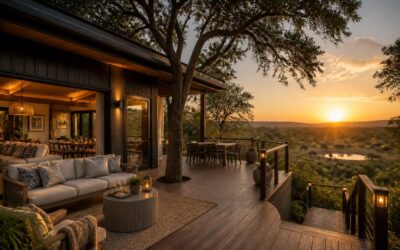
Outdoor spaces carry as much weight as the interior in a country living park homes south africa setting. The garden becomes an extension of the lounge, the braai area a second kitchen. Start by mapping how sunlight moves across your plot across the seasons. That determines seating placement, shade zones, and where indigenous grasses thrive without constant irrigation.
- Permeable pavers to manage stormwater runoff
- An outdoor cooking station positioned against prevailing breezes
- Motion-sensor lighting along pathways
- Indigenous planting that attracts birdlife and limits water use
Entertainment areas work best when connected to the main living space. A sliding door that folds fully open removes the division between inside and out. A covered patio with a ceiling fan extends usability through summer afternoons. That seamless flow makes hosting effortless, which draws people to country living park homes south africa in the first place.
0 Comments